Conference rooms are important venues for universities to conduct daily management decisions and are a shared resource — typically, various departments and colleges within a university can apply to use them.
At the same time, university conference rooms are characterized by a wide variety, large quantity, and inconsistent hardware/software conditions, making shared use inconvenient.
In the traditional conference room management model, paper-based records are usually used to reserve conference rooms, which is a cumbersome process prone to conflicts.
When users apply for a conference room, they cannot check the current booking status, often having to go through processes such as reservation inquiries, filling out forms, and obtaining signatures and stamps, resulting in a poor user experience.
At the same time, administrators face a large number of conference room resources and reservation applications, making it difficult to make clear decisions manually, leading to underutilization of conference room resources.
To further standardize conference room usage and reservation management, improve reservation efficiency, and avoid resource conflicts, it is urgent to establish a conference room reservation management system.
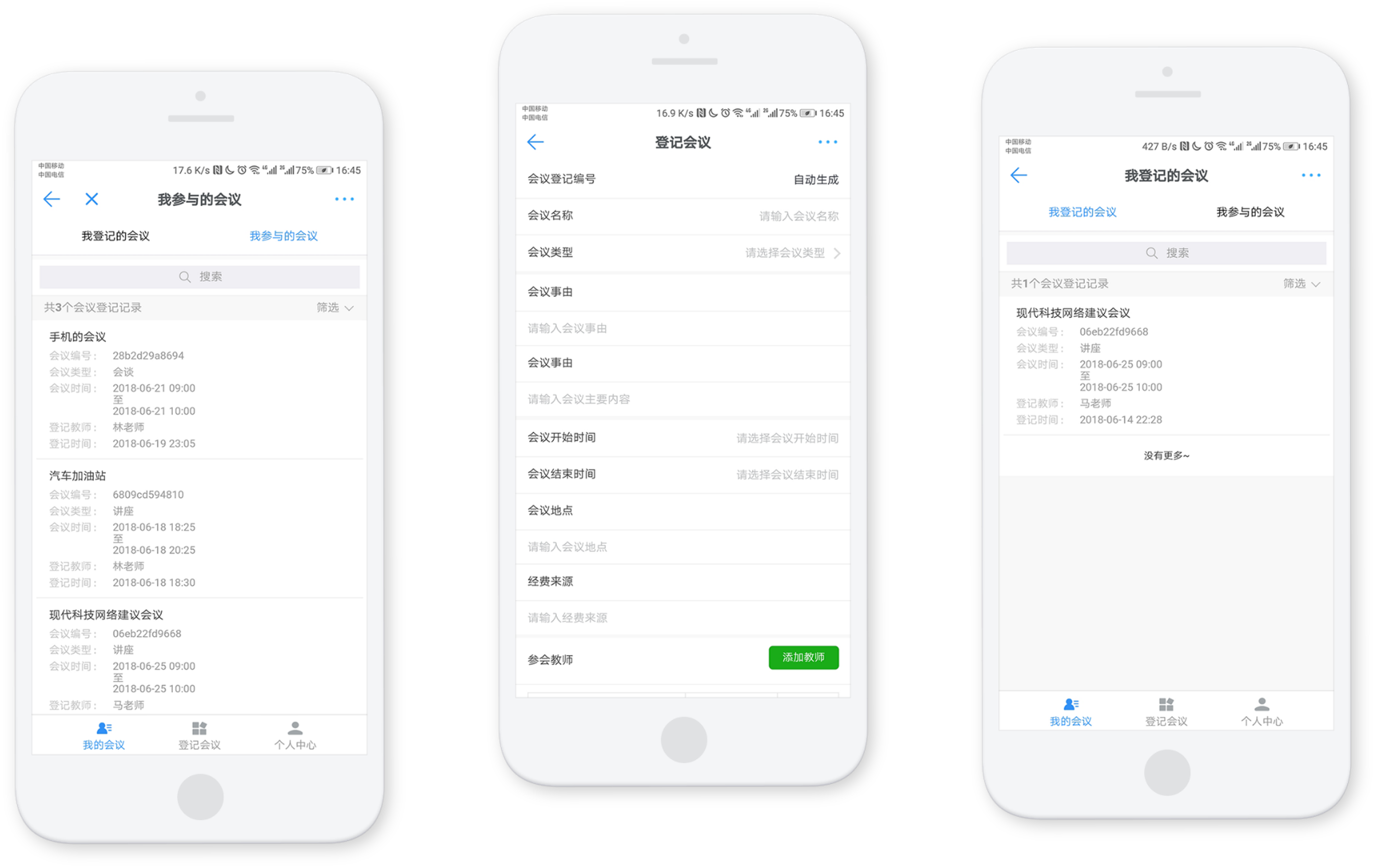
Users only need to log into the system to conveniently and quickly understand the current status and booking situation of each conference room, thereby increasing the likelihood of their application being approved, ultimately improving conference room utilization, and saving time and effort for both applicants and administrators.